
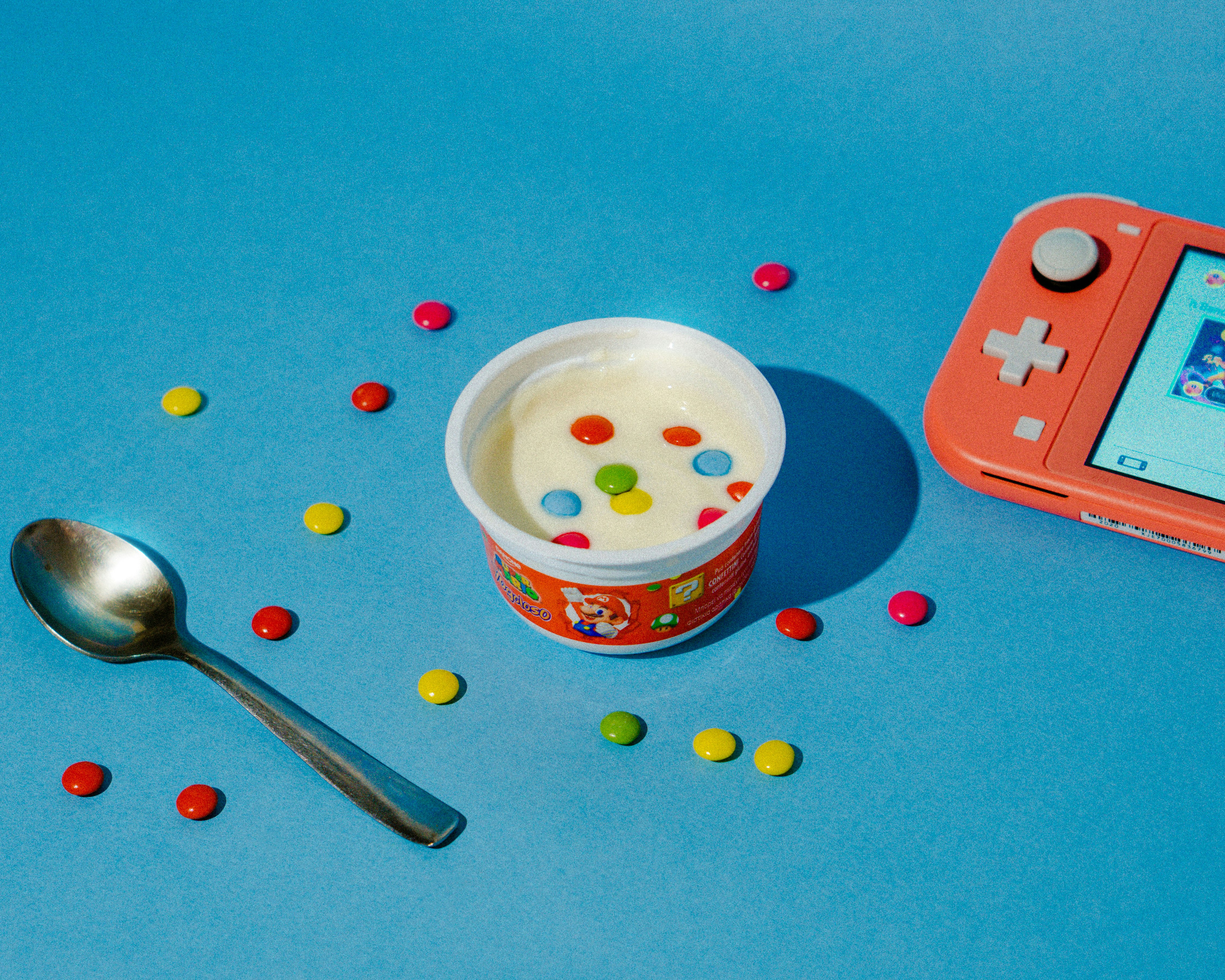
Introduction to Frozen Yogurt
Frozen yogurt, commonly referred to as froyo, is a popular dessert that has gained significant traction in recent years, particularly among families with children. Essentially, frozen yogurt is a frozen dessert made from yogurt and sometimes other dairy products. Unlike traditional ice cream, which is typically rich in cream and sugar, frozen yogurt typically contains lower fat content, leading many to view it as a healthier alternative.
The origins of frozen yogurt can be traced back to the 1970s, when the first commercial frozen yogurt machine was developed. Initially, it was marketed as a healthful option, appealing to the growing health-conscious consumer base. Over time, the concept evolved, and frozen yogurt became a prominent fixture in dessert shops, offering a variety of flavors and toppings that cater to diverse palates.
One significant way in which frozen yogurt differentiates itself from ice cream is through its fermentation process. The live bacterial cultures present in yogurt are preserved during freezing, contributing not only to the tangy flavor but also to potential digestive benefits. Additionally, frozen yogurt usually contains less sugar than regular ice cream, making it a more suitable choice for children’s dessert preferences without compromising on taste.
The increasing popularity of frozen yogurt as a dessert choice is evident in the myriad of self-serve froyo shops that have popped up in various locations. Families appreciate the ability to customize their treat with a variety of flavors and toppings, making it an interactive and enjoyable experience for kids. With numerous options available, frozen yogurt serves not just as a dessert but also as a fun and engaging outing for families, further solidifying its place in the modern dessert landscape.
Health Benefits of Frozen Yogurt
Frozen yogurt has gained immense popularity as a delightful dessert option, particularly among children. One of its standout qualities is its lower fat content when compared to traditional ice cream. This reduced fat level can make frozen yogurt a more appealing choice for health-conscious parents seeking to provide their children with a tasty treat without the guilt associated with higher-fat options.
Another significant advantage of frozen yogurt is the presence of live probiotics. These beneficial bacteria contribute to gut health and aid in digestion, thereby enhancing overall well-being. Incorporating frozen yogurt into a child’s diet can promote a healthier digestive system, which is crucial for their growth and development.
Additionally, the use of yogurt as a base for frozen yogurt means it retains several nutritional benefits intrinsic to dairy products. For instance, frozen yogurt is often a source of calcium, which is essential for developing strong bones and teeth in growing children. It also contains protein, vital for building tissues and muscle mass.
Moreover, many frozen yogurt brands offer options with added vitamins and minerals, increasing the overall nutrient profile of this dessert. Parents can often find flavors and varieties that include fruit purees or natural sweeteners, further enhancing the health benefits while keeping the taste appealing for children.
In choosing frozen yogurt over conventional desserts, families can provide their children with a treat that is delicious yet nutritious. Not only does it satisfy sweet cravings, but it also serves as a healthier dessert option. Overall, frozen yogurt proves to be a smart choice for parents aiming to balance indulgence with nutritional responsibility for their kids.
Choosing the Right Frozen Yogurt
When selecting a frozen yogurt for children, parents should prioritize high-quality products that contribute to a healthy diet. One of the primary considerations is the ingredient list; it is advisable to look for frozen yogurt options featuring natural ingredients. Products that utilize real fruit purees, natural milk, and yogurt cultures can provide nutritional benefits, including vitamins and probiotics, which are important for children’s development.
Another critical factor is the presence of additives and preservatives. A quality frozen yogurt should contain minimal additives; those with long, complex ingredient lists may be less healthy. Artificial flavors, sweeteners, and colors can be misleadingly appealing to children but can detract from the overall quality of the treat. Instead, opting for frozen yogurt products that highlight authenticity and simplicity will enhance the eating experience while staying true to health-conscious goals.
Parents should also take the time to scrutinize the nutritional label. Key aspects to monitor include the sugar content, calorie counts, and serving sizes. While frozen yogurt is often seen as a healthier alternative to ice cream, it can still be high in sugar. Selecting options with lower sugar levels is prudent, as excessive sugar intake is correlated with various health issues, including obesity and dental problems. Additionally, it’s beneficial to check for protein content, as this nutrient is essential for children’s growth and development.
Ultimately, making informed choices when it comes to frozen yogurt will ensure that it remains a delightful treat that aligns with health standards. By reading labels carefully, prioritizing natural ingredients, and choosing options rich in nutrients, parents can confidently provide their kids with tasty frozen yogurt that supports a balanced diet.
Fun and Creative Flavor Combinations
Creating delectable frozen yogurt treats for kids can be both an enjoyable and imaginative process. With a plethora of flavor combinations available, parents have endless possibilities to cater to their children’s unique taste preferences. From vibrant fruity mixes to enticing dessert-inspired varieties, integrating different flavors can transform any simple frozen yogurt into an extraordinary treat.
One popular approach is to blend various fruits, providing not just wonderful flavors but also beneficial nutrients. For instance, a combination of fresh strawberries, bananas, and a hint of mango creates a delightful tropical medley that kids will love. Raspberry and banana can be another delightful duo, offering a sweet and tangy experience.
Another creative avenue involves combining frozen yogurt with dessert-inspired flavors. Consider a cookie dough frozen yogurt, incorporating chunks of chocolate chip cookie dough mixed into a creamy base. This not only satisfies their sweet tooth but can cleverly introduce a texture that children enjoy. Alternatively, a s’mores flavor — combining chocolate frozen yogurt with graham cracker crumbles and mini marshmallows — can evoke the familiar essence of camping treats, making it particularly appealing.
For adventurous palettes, why not try adding a little spice? A frozen yogurt base can be enriched with cinnamon, nutmeg, or even jalapeño for a surprising twist. These flavors can be complemented with fresh fruit toppings such as diced apples or peaches, creating a harmonious balance between sweet and savory that might intrigue younger taste explorers.
To elevate the fun, consider involving children in the flavor creation process. Let them choose their favorite fruits, toppings, and mix-ins, allowing a sense of ownership in making their own customized frozen yogurt treat. This not only encourages healthy eating habits but also fosters creativity in the kitchen.
DIY Frozen Yogurt Recipes
Creating frozen yogurt at home allows parents and children to bond over a fun and delicious activity. Here, we will outline three simple DIY frozen yogurt recipes that you can make together, complete with step-by-step instructions and suggestions for mix-ins and toppings to customize your treat.
1. Basic Frozen Yogurt
Ingredients: 2 cups plain yogurt, 1 cup frozen fruit (such as strawberries or bananas), 1/2 cup honey or maple syrup.
Instructions:
1. In a blender, combine the yogurt, frozen fruit, and honey.2. Blend until smooth and creamy. Adjust the sweetness to taste with more honey if necessary.3. Pour the mixture into a container and freeze for at least 2 hours. Stir occasionally for a smoother texture. Serve cold.
2. Chocolate Frozen Yogurt
Ingredients: 2 cups plain yogurt, 1/2 cup cocoa powder, 1/2 cup sugar, 1 teaspoon vanilla extract.
Instructions:
1. In a mixing bowl, combine all ingredients until well mixed and creamy.2. Pour the mixture into an ice cream maker and churn as per the manufacturer’s instructions, usually about 20-25 minutes.3. Transfer to a storage container and freeze for an additional hour before serving.
3. Layered Fruit Frozen Yogurt Parfaits
Ingredients: 2 cups vanilla yogurt, assorted fruit toppings (e.g., berries, granola, nuts).
Instructions:
1. In a glass or bowl, layer yogurt with your choice of fruits and toppings.2. Repeat the layers until the glass is full. Top with a sprinkle of granola or nuts for an added crunch. Enjoy immediately or chill for a bit before serving.
For each of these recipes, feel free to experiment with different fruits, flavors, and toppings to create a personalized frozen yogurt experience. This not only makes the process engaging for kids but also encourages them to explore various flavors and textures, fostering a sense of creativity in the kitchen.
Topping Ideas to Enhance Frozen Yogurt
When it comes to frozen yogurt, the right toppings can elevate this delicious treat into a nutritional powerhouse while preserving its fun factor for kids. Frozen yogurt can serve as a blank canvas, inviting a myriad of toppings that not only enhance flavor but also contribute essential nutrients to the dessert. By choosing toppings wisely, parents can provide both a delightful experience and a healthier option for their children.
One popular choice is fresh fruits, which are packed with vitamins and antioxidants. Options like strawberries, blueberries, raspberries, and banana slices can add a natural sweetness and vibrant color to frozen yogurt. These fruits not only complement the creamy texture but also provide a refreshing contrast, making the dessert more appealing to young palates.
Nuts are another excellent topping that enhances both the flavor and crunch of frozen yogurt. Almonds, walnuts, and pecans are rich in healthy fats and protein, contributing to a balanced treat. When adding nuts, it’s important to ensure that children do not have any allergies. Chopped nuts can be sprinkled evenly over the yogurt to provide a satisfying crunch.
Granola is another popular topping that adds an exciting texture and depth to frozen yogurt. It is often low in sugar and high in fiber, making it a desirable option for kids who enjoy a little crunch. Various flavors of granola can cater to different taste preferences, further enhancing the overall experience.
For those who prefer a richer flavor profile, adding a drizzle of honey, agave syrup, or chocolate sauce can create a more indulgent dessert while still maintaining some health benefits. These toppings can be enjoyed in moderation, allowing kids to experience a sweet treat without excessive sugar intake. Ultimately, the right combination of toppings can transform a simple frozen yogurt into a fun and nutritious dessert that kids will love.
Incorporating Frozen Yogurt into a Balanced Diet
In the quest to maintain a balanced diet for children, frozen yogurt can serve as a delightful and nutritious treat. To ensure that this frozen indulgence complements a healthy eating pattern, it is essential to consider the appropriate serving sizes. Generally, a serving size of frozen yogurt for kids can range from half a cup to one cup, depending on age and activity levels. Understanding portion sizes can prevent excessive sugar intake while still allowing children to enjoy this tasty treat.
Frequency is another critical factor when incorporating frozen yogurt into a child’s diet. It can be beneficial to treat frozen yogurt as an occasional dessert rather than a daily snack. For instance, offering frozen yogurt once or twice a week, primarily on weekends or during special occasions, promotes a balanced approach. This strategy helps children associate frozen yogurt with enjoyable experiences while ensuring that it remains an infrequent indulgence.
Pairing frozen yogurt with other food groups can amplify its nutritional benefits. Consider topping frozen yogurt with fresh fruits such as berries, bananas, or mangoes, which not only enhance the flavor but also add essential vitamins, minerals, and fiber to the dish. Additionally, sprinkling some nuts or seeds can contribute healthy fats and protein, making the treat more complete. This combination allows kids to enjoy their frozen yogurt while still receiving the essential nutrients their growing bodies require.
In summary, incorporating frozen yogurt into a balanced diet involves mindful consideration of serving sizes, frequency, and suitable pairings with other food groups. By doing so, parents can provide a delightful treat that aligns with their child’s nutritional needs.
Frozen Yogurt Shops vs. Homemade
When considering frozen yogurt as a delightful treat for children, one must decide between visiting a frozen yogurt shop or preparing it at home. Each option presents unique benefits that cater to different family needs and preferences. Understanding these aspects can help parents make informed choices that enhance their children’s experience.
Frozen yogurt shops are renowned for their vast variety of flavors, toppings, and customizable options. This selection allows children to indulge in a personalized dessert that can satisfy their unique tastes. Furthermore, the ambiance of a shop makes it an outing that can be enjoyable for the family, as the atmosphere often encourages social interaction and exploration. Parents may appreciate the convenience of avoiding the mess associated with making yogurt at home, as well as the immediate satisfaction provided by being able to savor frozen yogurt on demand.
On the other hand, creating frozen yogurt at home offers its own plethora of advantages. It encourages family bonding as kids can be involved in the preparation process, fostering teamwork and creativity. Additionally, homemade frozen yogurt can be tailored to meet dietary preferences or restrictions, allowing for healthier ingredient choices. Parents can control the sugar content, utilize natural flavorings, and include healthier toppings, creating a dessert that aligns closely with their nutritional goals. Moreover, making yogurt at home can be a cost-effective option, especially for those who enjoy this treat frequently.
In exploring these options, families must weigh convenience against the personalized experience that both frozen yogurt shops and homemade creations offer. Ultimately, the choice will depend on what aligns best with the family’s lifestyle, preferences, and values regarding health and enjoyment.
Conclusion and Tips for Enjoying Frozen Yogurt
Throughout this guide, we have explored the many benefits of frozen yogurt as a wholesome treat for children. This delightful dessert not only satisfies sweet cravings but also provides essential nutrients, making it a healthy alternative to traditional ice cream. By choosing frozen yogurt over other desserts, parents can ensure their children enjoy a treat that is lower in fat and often enriched with probiotics, which are beneficial for digestive health.
We also discussed the versatility of frozen yogurt. Parents can encourage their kids to experiment with various flavors and toppings, allowing for a personalized experience. This creative process enhances the enjoyment of frozen yogurt and can turn snack time into a fun family activity. Involving children in the preparation and selection of ingredients instills a sense of healthy eating habits and fosters a love for nutritious foods.
As you embark on your frozen yogurt adventure, consider some practical tips. First, opt for yogurt brands that use natural ingredients without added sugars or artificial flavors. This choice ensures that the treat remains healthy while allowing children to relish their favorite flavors. Additionally, homemade frozen yogurt can be a wonderful option, allowing for full control over the ingredients used. Simply blend yogurt with fresh fruits or other desirable ingredients to create a tasty and nutrient-dense dessert.
Finally, experiment with various toppings such as fresh fruits, nuts, or granola to enhance the flavor and texture of the yogurt. This not only improves the nutritional profile but also makes the experience more enjoyable. By following these tips and embracing creativity, parents can transform frozen yogurt into a healthy, fun, and tasty treat for their children.