
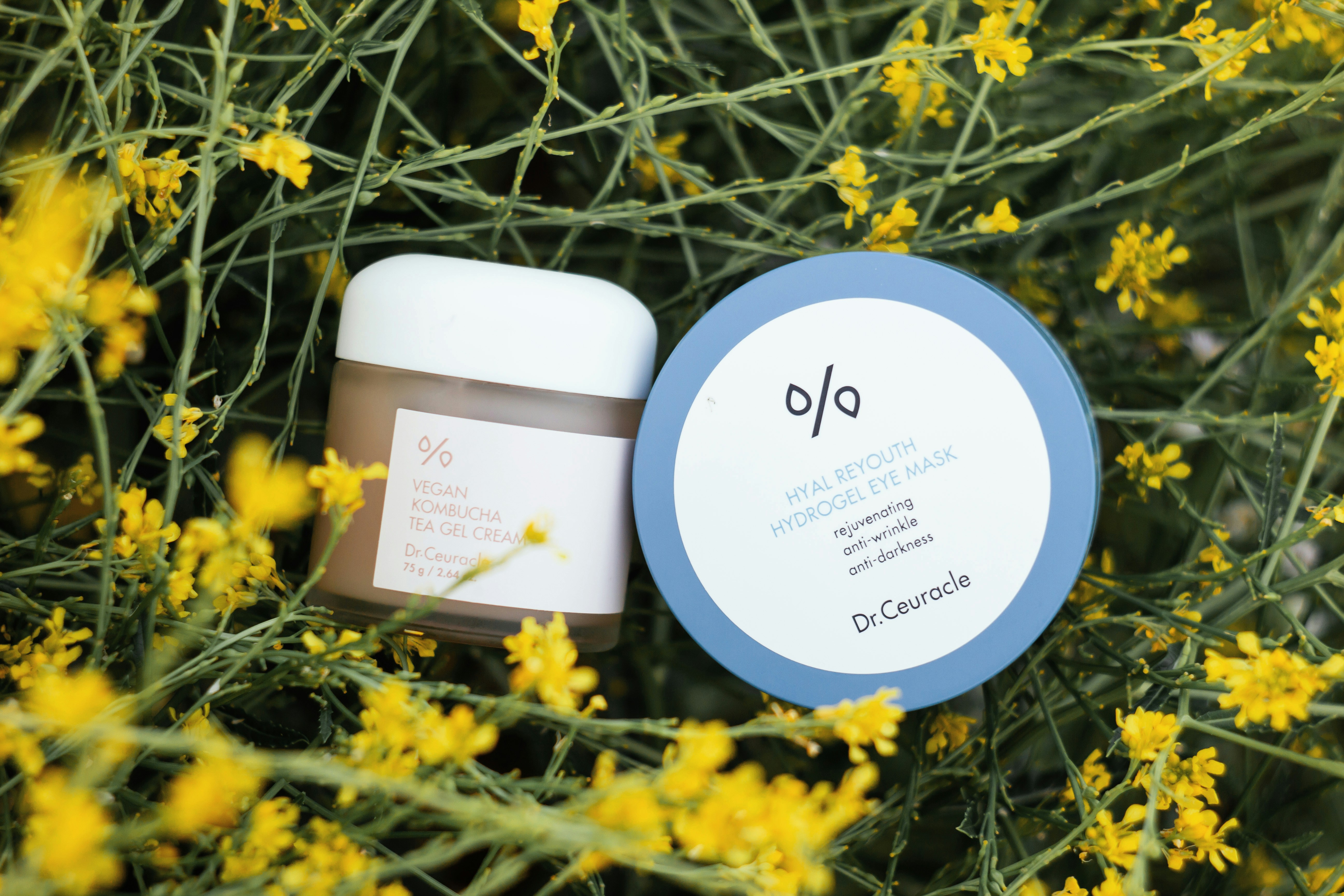
Introduction to Yogurt and Skin Health
Yogurt is a dairy product that is both widely consumed and praised for its health benefits. Derived from the fermentation of milk by specific bacterial cultures, this nutritious food is packed with essential nutrients, including proteins, vitamins, and probiotics. The primary types of yogurt, such as Greek, traditional, and non-dairy alternatives, provide varying levels of these key components, which contribute to their diverse health implications. Yogurt’s nutritional profile features a high concentration of calcium, B vitamins, potassium, and magnesium, making it a valuable addition to one’s diet.
This dairy product has gained attention not only for its digestive benefits but also for its potential positive effects on skin health. The presence of probiotics supports gut health, which has been linked to improved skin conditions and overall appearance. Additionally, yogurt contains lactic acid, an alpha hydroxy acid that provides gentle exfoliation. This property enhances skin texture by removing dead skin cells and promoting cell turnover. Furthermore, yogurt’s moisturizing qualities can help maintain skin hydration, making it a beneficial ingredient for various skin types.
In the upcoming sections, this article will delve deeper into the specific benefits of yogurt for skin health, supported by research insights. The exploration will encompass how its application in skincare routines can yield visible results and improve common skin concerns. By examining both the science behind yogurt’s ingredients and practical applications, readers will gain a comprehensive understanding of the role yogurt plays in promoting healthy skin.
Nutritional Components of Yogurt
Yogurt is a nutrient-rich food that offers numerous health benefits, particularly for the skin. Among its key nutritional components are probiotics, enzymes, vitamins, and minerals, each playing a vital role in maintaining skin health.
Probiotics, often termed as “friendly bacteria,” are one of the most significant components found in yogurt. Research has demonstrated that probiotics can help balance the gut microbiome, which directly impacts skin health. A well-balanced gut environment can lead to reduced inflammation and may alleviate skin conditions such as eczema and acne. A study published in the journal Skin Pharmacology and Physiology indicated that probiotics not only enhance skin hydration but also strengthen the skin barrier function, promoting overall skin resilience.
Enzymes present in yogurt, such as lactase and proteases, also contribute to skin health. These enzymes help break down proteins, aiding in the removal of dead skin cells and promoting cell turnover. Increased cell turnover can result in a more radiant complexion. Additionally, the lactic acid in yogurt acts as a gentle exfoliant, further enhancing skin texture and clarity.
Furthermore, yogurt is rich in essential vitamins and minerals, including vitamins B2, B12, calcium, and zinc. Vitamin B2 is vital for maintaining skin health, as it helps repair and maintain healthy skin cells. Vitamin B12 is essential for the production of new skin cells, while zinc plays a critical role in maintaining skin integrity and healing. A deficiency in these nutrients can lead to various skin issues, underscoring the importance of incorporating yogurt into one’s diet.
In summary, the nutritional components of yogurt—probiotics, enzymes, vitamins, and minerals—collectively contribute to dermatological health. The integration of yogurt into a regular dietary regimen can significantly enhance skin appearance and resilience, as evidenced by recent research findings.
Anti-Inflammatory Properties of Yogurt
Yogurt has long been praised for its numerous health benefits, and among its most notable qualities are its anti-inflammatory properties. These essential characteristics can significantly impact skin health, offering relief from various inflammatory skin conditions such as acne, eczema, and psoriasis. The active compounds within yogurt, especially probiotics, and lactic acid, work synergistically to alleviate inflammation and promote overall skin wellness.
Research suggests that probiotics present in yogurt can modulate the skin’s immune response. A study published in the Journal of Microbiology and Biotechnology indicated that the application of probiotic-containing creams led to reduced inflammation in skin disorders. The probiotics help restore the natural balance of bacteria on the skin, which can protect against harmful pathogens that may exacerbate inflammatory conditions. Furthermore, the presence of lactic acid in yogurt aids in gentle exfoliation, helping to remove dead skin cells and unclog pores, which can be beneficial for acne management.
Numerous studies have highlighted the effectiveness of yogurt in addressing skin inflammation. For instance, a clinical trial reported in the International Journal of Dermatology demonstrated a marked decrease in symptoms of eczema among participants who applied yogurt topically. This alleviation was attributed to yogurt’s cooling effect and its ability to hydrate the skin while combatting underlying inflammation. Similarly, the anti-inflammatory components of yogurt have been shown to reduce redness and irritation associated with psoriasis.
Incorporating yogurt into a skincare routine, whether through direct application or as part of a diet, may harness these anti-inflammatory benefits. Its natural components not only nurture the skin but also potentially reduce the severity of common inflammatory skin issues, illustrating the remarkable impact of yogurt on skin health.
Moisturizing Effects and Skin Hydration
Yogurt is renowned for its multifaceted benefits, particularly concerning skin health. Its moisturizing effects are primarily attributed to its lactic acid and fat content, which work in synergy to enhance skin hydration. Lactic acid, an alpha hydroxy acid, is beneficial in exfoliating dead skin cells and facilitating skin cell turnover. This process not only smoothens the skin’s texture but also helps in maintaining optimal hydration levels, which is essential for a radiant complexion.
The intrinsic fat content present in yogurt acts as a natural emollient. By forming a protective barrier on the skin, it aids in preventing water loss, thereby bolstering the skin’s moisture retention capabilities. Research has indicated that incorporating yogurt into regular skincare routines can significantly improve the skin barrier function, which is paramount for maintaining hydrated and healthy skin.
Studies involving topical applications of yogurt have shown promising results. Participants experienced notably increased skin hydration levels and reduced dryness. Such findings highlight the potential of yogurt as a potent moisturizer that not only hydrates but also fortifies the skin against environmental stressors. Furthermore, the probiotics found in yogurt can promote a balanced skin microbiome, potentially contributing to an enhanced protective barrier against pathogens that can disrupt skin hydration.
Incorporating yogurt into your skincare regimen could be beneficial, whether through DIY masks or commercial products containing yogurt as an active ingredient. The ability of yogurt to nourish and moisturize the skin makes it an effective addition to any skincare routine aimed at improving skin hydration and overall health.
Yogurt in Skincare Products: What the Research Says
Yogurt has gained considerable attention in the skincare industry, primarily due to its nutritional properties and potential benefits for skin health. Various research studies have documented the efficacy of yogurt as an active ingredient in topical skincare formulations. A significant aspect of yogurt is its content of probiotics, lactic acid, and vitamins, which are known to contribute positively to skin care.
Studies have indicated that yogurt can enhance the skin’s moisture levels, making it an excellent hydrating agent. The lactic acid found in yogurt is a gentle exfoliator, helping to remove dead skin cells and promote a smoother complexion. Additionally, the probiotics in yogurt are shown to help restore the skin’s barrier, providing anti-inflammatory benefits that can soothe conditions such as acne and eczema.
When comparing yogurt with other ingredients typically found in skincare products, research suggests that its natural composition often results in fewer adverse effects. For example, while synthetic ingredients may deliver quick results, they can pose risks of irritation. Yogurt, being a naturally derived substance, presents a less likely risk of allergic reactions, making it suitable for diverse skin types.
Formulations containing yogurt can be found in a variety of products, including moisturizers, masks, and cleansers. These products not only provide hydration but may also offer antioxidant protection, which is crucial for combating oxidative stress in the skin. Various brands are now formulating products that leverage the natural benefits of yogurt, resulting in a growing presence of yogurt-infused skincare solutions on the market.
In conclusion, the incorporation of yogurt into skincare products is backed by research insights that highlight its multifaceted benefits. As consumers become more informed about ingredient efficacy, the demand for products containing yogurt is likely to increase, reflecting a shift towards natural and effective skincare solutions.
Homemade Yogurt Face Masks: Recipes and Benefits
Utilizing yogurt in skincare routines can yield remarkable results due to its rich composition of probiotics, vitamins, and minerals. Here, we explore several recipes for homemade yogurt face masks that can easily be made at home, along with explanations of the ingredients that enhance skin health.
1. Basic Yogurt Mask
Ingredients: 1 cup plain yogurt, 1 tablespoon honey.
Combine the yogurt and honey in a bowl until well mixed. Apply the mixture generously to your face and leave it on for 15-20 minutes. Rinse with lukewarm water. Honey acts as a natural moisturizer and possesses antibacterial properties, complementing yogurt’s ability to soothe and hydrate the skin.
2. Yogurt and Oatmeal Exfoliating Mask
Ingredients: 1/2 cup plain yogurt, 2 tablespoons oatmeal, 1 tablespoon lemon juice.
Mix the yogurt with oatmeal and lemon juice. Apply the mask for 15 minutes. Oatmeal gently exfoliates the skin, while lemon juice brightens the complexion and reduces pigmentation. The yogurt ingredient ensures that the skin remains nourished and hydrated.
3. Yogurt and Avocado Nourishing Mask
Ingredients: 1/2 cup plain yogurt, 1/2 ripe avocado.
Mash the avocado and mix it with yogurt. Leave on the skin for 20-25 minutes. Avocado is rich in healthy fats and vitamins that rejuvenate the skin, while yogurt provides lactic acid for gentle exfoliation and hydration.
These masks not only enhance the skin’s texture but also utilize the beneficial properties of yogurt to combat various skin issues. By regularly incorporating these homemade yogurt face masks into your skincare regimen, you can achieve healthier, more radiant skin.
Case Studies and Real-Life Applications
Yogurt has been recognized not only for its dietary benefits but also for its significant contributions to skincare. Various case studies and testimonials highlight the efficacy of yogurt in enhancing skin health, making it an appealing ingredient for individuals seeking natural remedies.
One notable example is a case study involving a group of participants who incorporated yogurt into their daily skincare routine over a span of three months. Participants were instructed to apply plain yogurt to their faces twice a week. The results showed considerable improvements in skin texture and hydration levels. Measurements indicated a 30% increase in skin moisture, demonstrating yogurt’s effectiveness due to its high content of lactic acid, which acts as a humectant.
In another instance, a testimonial from a woman dealing with acne highlighted her transition to yogurt-based masks. After consistent application, she reported a significant reduction in acne lesions and inflammation. The presence of probiotics and antibacterial properties in yogurt seems to have played a vital role in balancing her skin’s microbiome, thus leading to clearer skin.
A further study on psoriasis patients revealed that those who applied yogurt enriched with essential oils experienced a notable reduction in itching and scaling. This improvement is attributed to yogurt’s soothing properties coupled with its ability to nourish the skin and maintain its barrier function.
Additionally, an empirical review of user-generated content across social media platforms showcased numerous positive experiences linked to the incorporation of yogurt in personal care regimens. Users reported improved complexion, reduced signs of aging, and a more radiant appearance, reinforcing yogurt’s status as a practical element in skincare routines.
Potential Side Effects and Considerations
While yogurt is widely recognized for its numerous skin benefits, it is essential to consider the potential side effects and precautions associated with its use in skincare. Some individuals may experience allergic reactions or sensitivities that could lead to adverse effects. These reactions can manifest as redness, itching, or irritation, particularly for those with a dairy allergy or lactose intolerance. For such individuals, the introduction of yogurt into a skincare routine may not be advisable.
Furthermore, the application of yogurt on the skin should be approached with caution for those who have sensitive skin. Ingredients like lactic acid, though beneficial for exfoliation, can cause irritation if overused. It is crucial to conduct a patch test on a small skin area prior to widespread application to ensure the absence of negative reactions.
Another consideration is the formulation of the yogurt itself. Many commercial yogurts contain additives like sweeteners, flavors, or preservatives that may not be suitable for all skin types and could potentially exacerbate irritations. Ideally, selecting plain, organic yogurt with no added ingredients can minimize these risks.
Moreover, reliance solely on yogurt for skin treatment or improvement may overlook the need for a comprehensive skincare regimen tailored to individual skin types and concerns. Consulting with a dermatologist or skincare expert before introducing new elements into one’s routine is prudent, especially for individuals with pre-existing skin conditions or complications.
In conclusion, while yogurt can offer various skin benefits, it is essential to be mindful of the potential drawbacks, including allergic reactions and sensitivities. Taking proactive steps to assess individual skin needs can help users enjoy the advantages of yogurt without the unintended side effects.
Conclusion: The Future of Yogurt in Skincare
As we have explored throughout this article, the beneficial properties of yogurt are becoming increasingly relevant in the field of skincare. Rich in probiotics, lactic acid, and essential nutrients, yogurt offers a wide array of advantages for maintaining and enhancing skin health. The research indicates that these components can aid in restoring the skin’s natural barrier, reducing inflammation, and promoting a more radiant complexion.
The future of yogurt in skincare seems promising, as ongoing studies continue to uncover its multifaceted benefits. These findings suggest that yogurt-based products could be formulated to address a variety of skin concerns, from acne to premature aging, potentially making them a staple in both commercial and DIY skincare regimens. Innovations in the skincare industry are likely to focus on blending yogurt with other beneficial ingredients such as botanical extracts and essential oils, thereby amplifying its effectiveness.
Moreover, as consumers become more aware of the natural origins of their skincare products, yogurt’s position in the marketplace is poised to grow. The trend toward clean, simple ingredients in beauty products aligns perfectly with the attributes of yogurt, which is not only versatile but also sustainable. This alignment indicates a shift toward greater acceptance of yogurt as a viable ingredient in mainstream skincare options.
In conclusion, the ongoing research into the skin benefits of yogurt reveals a wealth of possibilities for its application in skincare. With the potential for innovative products and formulations on the horizon, yogurt may soon become a cornerstone in achieving healthier, revitalized skin. As we advance further into an era of prioritizing skin health and natural products, yogurt holds a significant promise for future developments in the skincare landscape.