
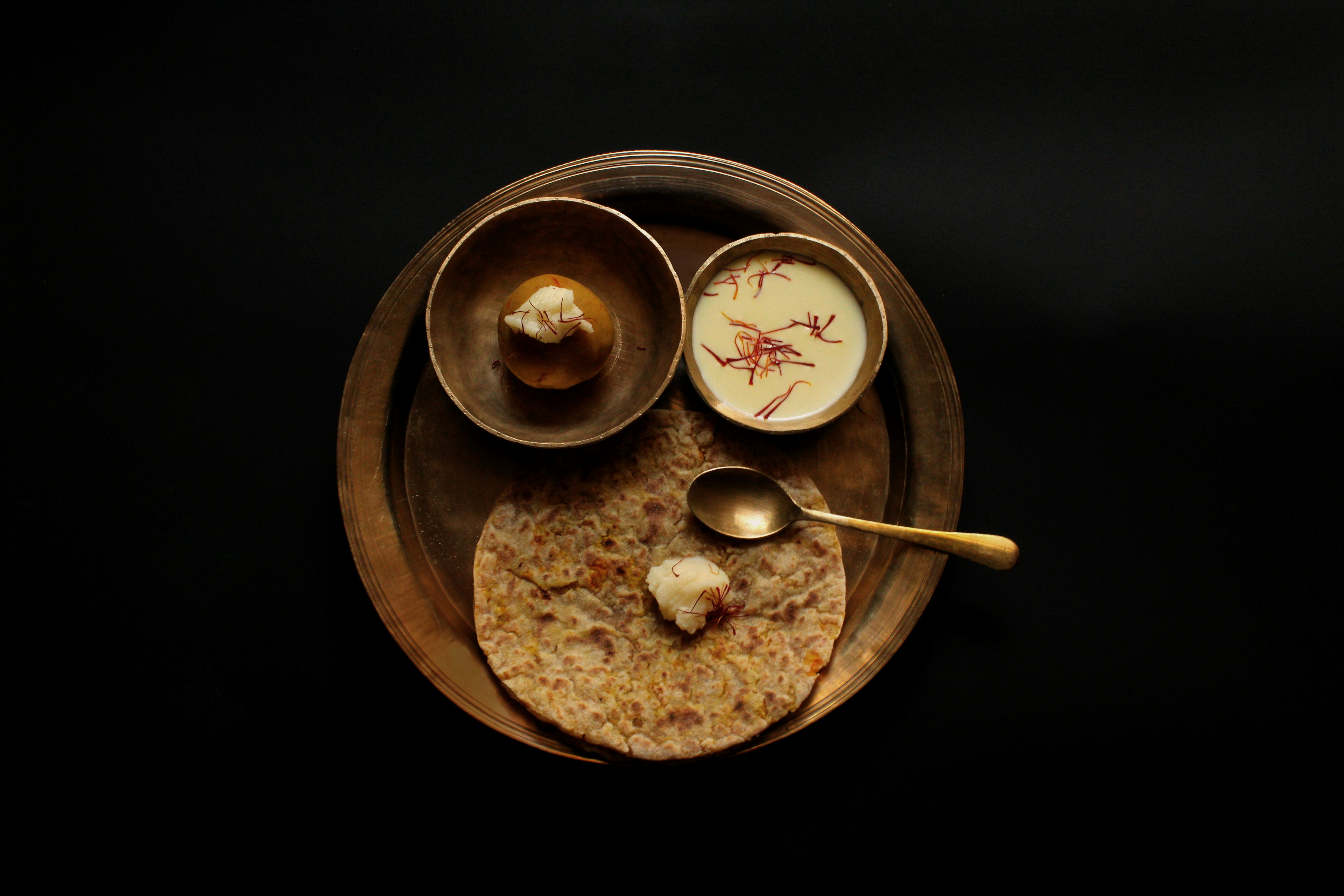
Introduction to Desi Ghee
Desi ghee, a traditional form of clarified butter, holds an esteemed position in South Asian cuisine and culture. Originating from the Indian subcontinent, this nutrient-rich fat is prepared by simmering unsalted butter, allowing the water content to evaporate and separating the milk solids. This process results in a golden, aromatic fat that is favored not only for its culinary properties but also for its potential health benefits.
Historically, desi ghee has been a staple in Indian households, often associated with festive occasions and religious rituals. Its cultural significance transcends mere cooking, as it has been regarded as a symbol of purity and health in Ayurvedic practices. Ancient texts laud ghee’s potential to enhance digestion, promote vitality, and support overall well-being, which has cultivated a lasting legacy throughout generations.
One of the key aspects of desi ghee is its nutritional profile. Compared to other fats, it is rich in short-chain and medium-chain fatty acids, which are beneficial for energy metabolism. Additionally, desi ghee is a source of essential vitamins, such as A, D, E, and K—fat-soluble nutrients that play crucial roles in various bodily functions. These vitamins contribute to maintaining strong immunity, promoting bone health, and supporting cognitive function.
Moreover, desi ghee is known for its high smoke point, making it an ideal choice for cooking at high temperatures without the risk of breakdown that can occur with other fats. This attribute not only preserves the flavor and aroma of dishes but also ensures that the nutritional benefits are retained. Thus, when viewed as a healthful fat, desi ghee stands out for its traditional values, nutritional richness, and versatility in the kitchen.
Ghee vs. Other Fats: A Comparative Analysis
When examining the various cooking fats available, ghee, a type of clarified butter originating from the Indian subcontinent, emerges as a beneficial choice for those aiming for weight loss. In contrast to common fats such as butter, margarine, and vegetable oils, ghee possesses unique properties that can enhance its favorability in a balanced diet.
One of the significant advantages of ghee is its high smoke point of approximately 485°F (252°C), which is considerably higher than that of butter (around 350°F or 177°C) and vegetable oils like olive oil (about 375°F or 190°C). A higher smoke point means ghee can be heated to a higher temperature without breaking down, making it suitable for various cooking methods, including frying and sautéing, without producing harmful free radicals.
In terms of nutritional content, ghee is rich in vitamins A, D, E, and K, and contains a substantial amount of butyrate, a short-chain fatty acid that has been linked to improved gut health and anti-inflammatory properties. Unlike margarine, which is processed and may contain trans fats that have been shown to raise bad cholesterol levels, ghee is a natural fat that can support metabolic functions, thereby assisting individuals who are on a weight loss journey.
Moreover, ghee is lower in casein and lactose compared to butter, making it easier to digest for individuals with dairy sensitivities. This characteristic contributes to its appeal for those looking to maintain a healthy gut while balancing their weight. When consumed in moderation, ghee can nourish the body without hindering weight loss efforts.
How Desi Ghee Aids in Weight Loss
Desi ghee, a clarified form of butter, has garnered attention for its potential to assist in weight loss efforts. One of the fundamental ways it aids in this journey is by boosting metabolism. The presence of medium-chain fatty acids (MCFAs) in desi ghee is believed to increase the metabolic rate, allowing the body to burn calories more efficiently. Unlike long-chain fatty acids, MCFAs are quickly absorbed and converted into energy, which can effectively prevent the accumulation of body fat.
In addition to enhancing metabolic function, desi ghee promotes satiety, which is crucial for weight management. When consumed in moderation, it helps in creating a sensation of fullness, thereby reducing overall caloric intake. This satiating effect can decrease cravings for other high-calorie foods, contributing positively to a weight loss strategy. This can be particularly beneficial for individuals struggling with overeating or unhealthy snacking habits.
An often overlooked aspect of desi ghee is its role in supporting hormonal balance, which is vital for maintaining a healthy weight. Hormones such as insulin, which regulates fat storage, can be influenced by dietary fats. Desi ghee contains butyrate, a short-chain fatty acid that plays a role in modulating inflammation and may assist in maintaining the balance of hormones related to weight regulation.
Moreover, desi ghee aids in the digestion of fats by facilitating the absorption of fat-soluble vitamins and nutrients. By improving the digestive process, ghee can help convert food into energy more effectively, preventing fat storage. As individuals incorporate desi ghee into a balanced diet, they may find enhanced energy levels, which is essential for maintaining an active lifestyle supportive of weight loss.
The Role of Conjugated Linoleic Acid (CLA)
Conjugated Linoleic Acid, commonly known as CLA, is a naturally occurring fatty acid found in various food sources, particularly in dairy products and meats from ruminant animals. One of the notable characteristics of desi ghee is its rich CLA content, which has garnered attention for its potential role in weight management and fat loss. Research indicates that CLA may facilitate the reduction of body fat while promoting the development of lean muscle mass. This dual action is largely attributed to its ability to influence lipolysis, the process through which fats are broken down for energy.
The exact mechanisms by which CLA exerts these beneficial effects involve various pathways. One significant way is by modulating metabolic processes in the body, including the enhancement of insulin sensitivity and alterations in gene expression related to fat storage. By increasing insulin sensitivity, CLA potentially allows for better glucose metabolism, thereby reducing the risk of fat accumulation. Additionally, CLA may help inhibit lipoprotein lipase, an enzyme responsible for fat storage, while simultaneously enhancing fat oxidation rates during metabolic activities.
Incorporating desi ghee into a balanced diet can be a worthwhile strategy to increase CLA intake, thereby leveraging its weight loss benefits. Unlike other cooking oils, desi ghee offers a unique flavor profile along with its nutritional benefits, making it a versatile addition to various dishes. For individuals looking to manage their weight effectively, integrating moderate amounts of desi ghee can serve not just as a means of enhancing dietary richness but also as a conduit for beneficial fatty acids such as CLA. This approach may support overall weight management efforts while providing essential nutrients that the body requires for optimal functioning.
Incorporating Desi Ghee into Your Diet
Incorporating desi ghee into your diet can be a flavorful and beneficial way to improve your overall nutrition, particularly when you are aiming for weight loss. As a traditional Indian cooking fat, desi ghee is known for its unique flavor and health benefits. When used correctly, it can complement a balanced diet, while still allowing you to maintain a calorie deficit.
One of the simplest methods to include desi ghee in your daily meals is by using it as a cooking oil. Unlike many other fats, ghee has a high smoke point, making it ideal for frying and sautéing. You can substitute butter or vegetable oil with desi ghee when preparing vegetables, lentils, or chicken, enhancing both taste and nutritional value. For instance, adding a teaspoon of ghee to sautéed spinach not only boosts flavor but also enhances fat-soluble vitamin absorption.
Moreover, desi ghee can be effectively used in various culinary creations. For breakfast, consider drizzling a small amount over your oats or mixing it with your morning smoothies. The rich flavor complements these meals while providing essential fatty acids, helping you stay fuller for longer periods. Additionally, incorporating ghee into salad dressings can offer a unique richness that elevates simple salads.
For those who prefer traditional culinary practices, using ghee in baking can yield moist and flavorful results while using fewer ingredients. You can replace butter with ghee in recipes for healthier desserts, allowing for a nutrient-dense alternative. Pairing it with spices such as turmeric can also enhance the anti-inflammatory benefits it offers.
Ultimately, incorporating desi ghee into your diet requires mindful adjustments. Focus on moderation and balance, ensuring that it fits within your overall dietary goals. By doing so, you can enjoy the myriad of benefits that this traditional ingredient brings to modern nutrition.
Debunking Myths About Ghee and Weight Loss
The association of ghee with weight gain is a prevalent misconception rooted in the traditional view that all fats contribute negatively to weight management. However, this view fails to differentiate between various types of fats and does not take into account the nutritional profile of ghee. Ghee, or clarified butter, contains a unique composition of healthy fats that can actually support weight loss when consumed in moderation.
Firstly, one of the primary elements to consider is that ghee is rich in medium-chain triglycerides (MCTs), which are easily metabolized by the body and serve as a quick source of energy. Unlike long-chain fats, MCTs are less likely to be stored as fat, making ghee a suitable option for those aiming for weight loss. Moreover, the presence of butyrate, a short-chain fatty acid in ghee, has been shown to aid digestion and promote a healthy gut, both of which are essential for effective weight management.
Furthermore, ghee can enhance satiety due to its fat content, helping to reduce hunger and potentially lower calorie intake throughout the day. This ability to foster a feeling of fullness can be beneficial for individuals seeking to regulate their food consumption and adhere to a calorie deficit necessary for weight loss.
Lastly, the misconception that all forms of fat contribute to weight gain overlooks the fact that the quality of fat matters significantly. Nutrient-dense sources, like ghee, can provide essential fatty acids and vitamins while enhancing flavors in healthy dishes, making them more enjoyable and sustainable in the long run. Thus, rather than viewing ghee as an adversary in a weight loss journey, it should be embraced as an ally when incorporated appropriately into a balanced diet.
Success Stories: Real-Life Experiences
Numerous individuals have experienced significant success in their weight loss journeys by incorporating desi ghee into their diets. One notable example is Priya, a 28-year-old working professional who struggled with weight management for several years. After experimenting with various diets, Priya discovered the benefits of desi ghee. She started each day with a teaspoon of ghee in her morning smoothies, which provided her with sustained energy throughout the day while curbing her cravings for unhealthy snacks. Priya notes that not only did she lose 15 pounds over five months, but she also felt more energetic and focused during work hours.
Another inspiring story comes from Ramesh, a fitness enthusiast who began incorporating desi ghee into his post-workout meals. Previously, he adhered to a low-fat diet, but he learned that healthy fats, such as those found in ghee, are essential for weight loss. After adopting a balanced diet that included ghee, Ramesh found that his recovery time improved significantly, and he was able to build muscle more effectively. Over a period of six months, he transformed his physique and lost over 20 pounds, attributing much of his success to the nutritional properties of desi ghee.
Similarly, Neha, a mother of two, faced challenges in managing her weight due to busy schedules and lack of time for meal preparation. By substituting unhealthy oils with desi ghee in her cooking, she discovered that she was not only able to make her family’s meals healthier but also enjoyed better portion control. The addition of ghee allowed her to feel full longer and ultimately led to a weight loss of 10 pounds within three months. Neha emphasizes that incorporating desi ghee into her meals was not only beneficial but also enjoyable, as it improved the taste of her dishes.
These real-life experiences illustrate the potential of desi ghee as a valuable addition to a weight loss strategy, emphasizing that with the right approach, individuals can achieve their health goals while enjoying their food.
Potential Risks and Considerations
Desi ghee, a clarified butter prevalent in many South Asian cuisines, offers several health benefits, particularly in the context of weight management. Nevertheless, it is crucial for consumers to remain aware of the potential risks associated with excessive consumption. Understanding serving sizes, caloric content, and specific health conditions can facilitate a more balanced approach to incorporating ghee into one’s diet.
One of the primary concerns with desi ghee is its high caloric density. A single tablespoon can contain approximately 120 calories. While these calories can be part of a balanced diet, relying too heavily on ghee may lead to an energy surplus, contributing to weight gain rather than weight loss. Moderation is key; incorporating ghee in modest amounts can help to harness its benefits without overstepping caloric needs.
For individuals with particular health conditions, such as obesity or cardiovascular issues, it is advisable to consult a healthcare provider before adding desi ghee to the diet. High saturated fat content in ghee can adversely affect cholesterol levels, increasing the risk of heart disease. Therefore, those with existing health concerns should monitor their intake and possibly seek healthier alternatives, such as olive oil or avocado oil, which contain beneficial nutrients and healthier fats.
Moreover, individuals with lactose intolerance must exercise caution, as ghee, although lower in lactose than regular butter, might still cause discomfort in sensitive individuals. By being mindful of these factors and maintaining a moderated portion of desi ghee within a well-balanced diet, consumers can enjoy its unique flavor and potential health benefits without compromising their overall wellness.
Conclusion: Embracing Desi Ghee for a Healthier Lifestyle
As we have explored throughout this blog post, desi ghee is not merely a flavorful cooking ingredient but also a potential ally in supporting weight loss and overall health. The unique properties of desi ghee, including its rich source of healthy fats, vital nutrients, and potential to enhance metabolic processes, contribute positively to a balanced diet aimed at weight management.
Incorporating desi ghee into your meals can provide a sense of satiety, making it easier to manage portion sizes and cravings. This traditional dairy product is packed with essential vitamins and fatty acids that can aid in various bodily functions. Moreover, the anti-inflammatory and digestive benefits associated with desi ghee can support one’s wellness journey by promoting gut health and reducing unwanted inflammation.
However, it is crucial to approach its inclusion with moderation. While desi ghee has its health benefits, excessive consumption can lead to unwanted calorie intake, which may counteract weight loss efforts. Therefore, understanding personal dietary needs and maintaining a balanced intake is imperative for optimal results.
In summary, by embracing desi ghee as part of a diverse and nutritious diet, individuals can enjoy its rich flavor while leveraging its numerous health benefits. This exploration signifies an opportunity to dive deeper into traditional culinary practices and consider desi ghee not only as a delicacy but also as a consistent staple that supports a healthier lifestyle. As you embark on your weight loss journey, let desi ghee serve as a flavorful companion that enhances both taste and health in your meals.