
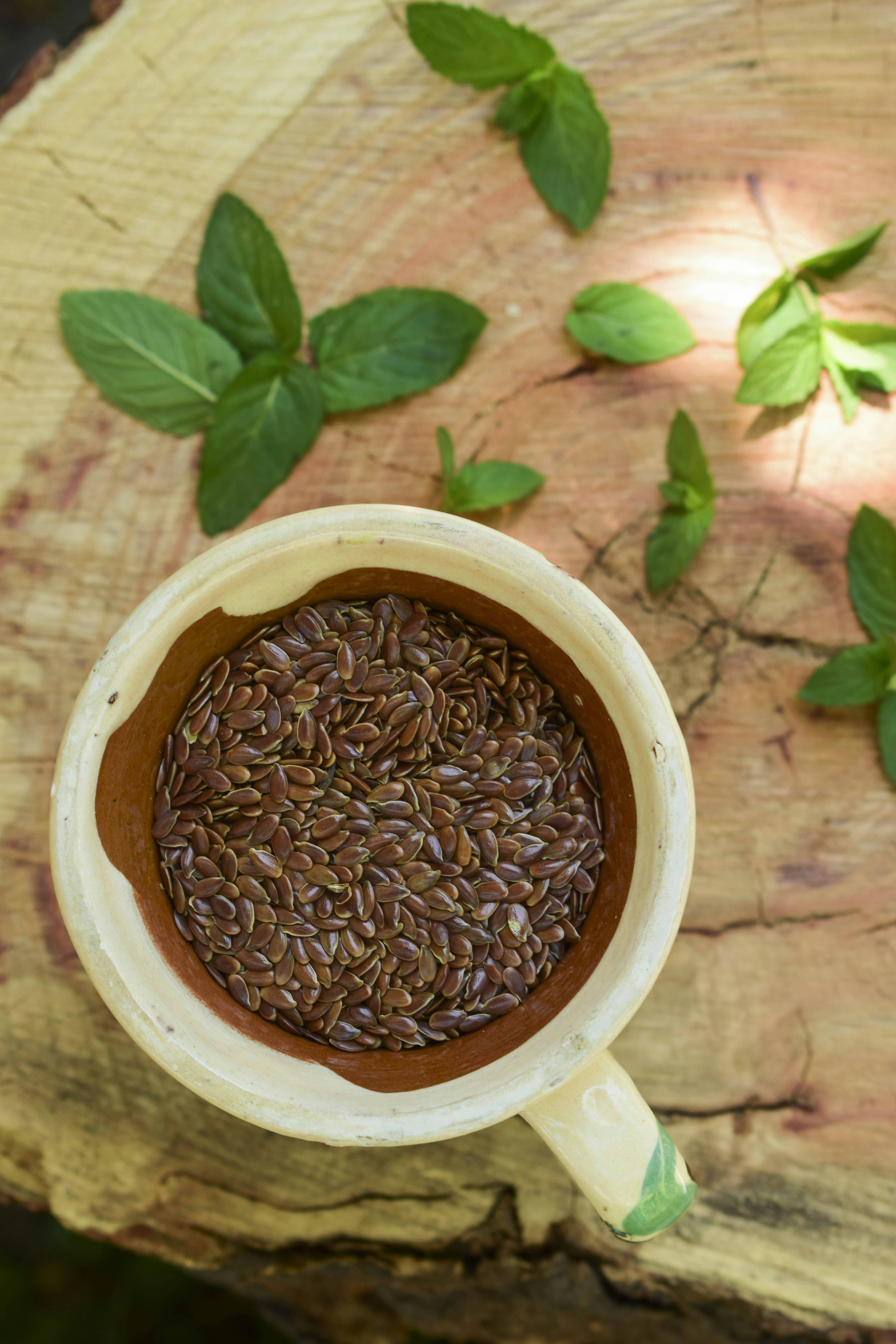
Introduction to Flaxseed
Flaxseed, originating from the flax plant (Linum usitatissimum), has been cultivated for thousands of years, initially in ancient Babylon and Egypt. Renowned for its multifaceted uses, it is commonly utilized not only as a food source but also for its fibers in textiles. In recent decades, flaxseed has gained considerable attention as a superfood, primarily due to its impressive nutritional profile.
One of the most remarkable aspects of flaxseed is its high content of omega-3 fatty acids, particularly alpha-linolenic acid (ALA). These essential fats are crucial for maintaining heart health as they can help reduce inflammation and lower cholesterol levels. Consuming flaxseed regularly may support cardiovascular function, which is especially important in today’s health-conscious society.
In addition to omega-3s, flaxseed is rich in dietary fiber, which contributes significantly to improved digestion. Fiber aids in regulating bowel movements and can help prevent constipation, promoting a healthy gut. This makes flaxseed a valuable addition to the diets of those seeking to enhance their digestive health.
Furthermore, flaxseed is known for its high lignan content, which is a type of phytoestrogen with antioxidant properties. Lignans may offer protective benefits against certain types of cancers, including breast cancer, while also supporting hormonal balance in the body. This multifaceted nutrient profile explains why flaxseed has earned its reputation as a superfood, appealing to health enthusiasts and nutritionists alike.
Incorporating flaxseed into daily meals can be both simple and rewarding, making it a versatile ingredient for enhancing nutrition in everyday diets. From smoothies to baked goods, the possibilities are endless when it comes to enjoying the benefits of this ancient seed.
How to Prepare Flaxseed
Flaxseed is a versatile ingredient that can enhance the flavor and nutritional value of various dishes. It comes in several forms: whole seeds, ground seeds, and flaxseed oil. Each type serves different culinary purposes and offers unique health benefits.
Whole flaxseeds are a popular choice, but they are less readily digested by the body. To fully reap the nutritional benefits, it is advisable to grind flaxseeds before consuming them. Grinding helps unlock essential fatty acids and fibers, making them more bioavailable. A coffee grinder or a high-powered blender can effectively be used to grind flaxseeds at home. Simply add a small quantity of flaxseeds to the grinder and pulse until the seeds reach a fine powder consistency. It is best to grind only as much as you need at a time since freshly ground flaxseed retains its nutrients better.
Alternatively, flaxseed meal is conveniently available in stores, providing a pre-ground option for those short on time. Just be sure to check the expiration date as ground flaxseed has a shorter shelf life than whole seeds and is susceptible to oxidation, which can diminish its health benefits.
Flaxseed oil, extracted from the seeds, is another beneficial form that is rich in omega-3 fatty acids. While it is not suitable for cooking at high temperatures, it can be used in salad dressings or drizzled over cooked vegetables or grains to provide a nutritious boost. Store flaxseed oil in an airtight container in the refrigerator to maintain its quality and prevent rancidity.
For all forms of flaxseed, proper storage is crucial. Whole seeds can last up to a year when kept in a cool, dark place, while ground flaxseed is best used within three to six months. For optimal freshness, consider refrigerating both ground flaxseed and flaxseed oil.
Flaxseed Breakfast Recipes
Flaxseed is an incredibly versatile ingredient that can enhance the nutritional profile of various breakfast dishes. Including flaxseed in your morning meals not only adds a nutty flavor but also provides essential omega-3 fatty acids, fiber, and lignans, contributing to overall health.
One delightful way to incorporate flaxseed is through a Flaxseed Smoothie. Blend together a banana, a cup of spinach, half a cup of almond milk, and two tablespoons of ground flaxseed. This nutrient-packed smoothie offers a range of vitamins and minerals to start your day with energy. The addition of flaxseed adds a rich source of dietary fiber, promoting digestive health.
Another fantastic recipe is Flaxseed Oatmeal. Cook rolled oats in water or milk, and once it reaches the desired consistency, stir in two tablespoons of ground flaxseed, honey, and your choice of toppings such as berries or nuts. This combination provides a fulfilling breakfast with the additional benefits of satiety and heart health. The fiber content in this dish aids in lowering cholesterol levels, making it an excellent choice for a heart-healthy diet.
If you prefer something more indulgent, consider making Flaxseed Pancakes. Combine one cup of whole wheat flour, two tablespoons of ground flaxseed, one tablespoon of baking powder, a pinch of salt, one egg, and one cup of milk (dairy or non-dairy). Cook the batter on a griddle until golden brown, and serve with fresh fruit or maple syrup. These pancakes not only offer a delicious breakfast option but also provide a steady release of energy throughout the morning.
Incorporating flaxseed into breakfast recipes is an excellent way to boost nutritional intake. These recipes are not only easy to prepare but also delicious, making them perfect for busy mornings or leisurely weekends.
Flaxseed Lunch Ideas
Incorporating flaxseed into lunch recipes offers a delightful way to enhance both the nutritional value and texture of your meals. This versatile ingredient can be easily added to a variety of dishes, providing a boost of omega-3 fatty acids, fiber, and essential nutrients. Below are several flaxseed lunch ideas that are quick to prepare, making them perfect for those with busy schedules.
One simple dish is a flaxseed salad. Begin by mixing a variety of fresh greens with colorful vegetables such as bell peppers, cucumbers, and carrots. Sprinkle 1-2 tablespoons of ground flaxseed on top of the salad to add a nutty flavor and crunch. For an added protein boost, consider including grilled chicken or chickpeas. A light vinaigrette dressing can enhance the overall taste while keeping the dish healthy.
Another quick option is a flaxseed wrap. Spread your favorite hummus or avocado on a whole-grain tortilla. Add sliced turkey, spinach, and sliced tomatoes, followed by a tablespoon of flaxseed for an extra nutrient kick. Roll the tortilla tightly and slice it in half for easy handling. These wraps are not only filling but also packed with essential vitamins.
For a heartier option, try a flaxseed grain bowl. Combine cooked quinoa or brown rice in a bowl, then layer it with roasted vegetables like zucchini and sweet potatoes. Top it off with a spoonful of flaxseed for added fiber and healthy fats. Drizzle the bowl with a tangy dressing and serve warm or cold, based on your preference.
These flaxseed lunch ideas exemplify how easily this superfood can be woven into your midday meals, enriching your diet without requiring extensive preparation. Enjoy experimenting with flaxseed in various recipes to find your perfect combination of taste and nutrition.
Flaxseed Dinner Options
Flaxseed is a versatile ingredient that can enhance the nutritional profile of your dinner while adding a delightful flavor. One creative way to utilize flaxseed at dinner is to incorporate it into marinades for meats or plant-based proteins. For instance, combining ground flaxseed with soy sauce, garlic, and ginger can create a robust marinade that not only infuses the protein with rich flavor but also adds omega-3 fatty acids and fiber, promoting heart health.
Another excellent way to enjoy flaxseed at dinnertime is through sauces. A flaxseed-based pesto, crafted by blending fresh basil, garlic, olive oil, and ground flaxseed, can serve as a perfect topping for grilled vegetables or whole-grain pasta. This sauce is not only flavorful but also contributes essential nutrients and can easily be adjusted to suit various dietary preferences.
Additionally, flaxseed can shine in the realm of breading. By mixing ground flaxseed with breadcrumbs and spices, you can elevate standard breaded dishes such as chicken tenders or eggplant slices. This flaxseed coating adds a nutty flavor and a pleasing crunch, all while enhancing the meal’s nutritional content without compromising on taste.
For those who prefer plant-based meals, flaxseed can be mixed into veggie burgers or lentil loafs as a binding agent. This not only holds the ingredients together but also infuses the dish with health benefits, such as improved digestion and lower cholesterol levels.
In summary, incorporating flaxseed into dinner options can transform ordinary meals into delicious and healthy culinary experiences. Whether used in marinades, sauces, or as part of a breading, flaxseed provides flavor enhancements and contributes significantly to overall well-being.
Flaxseed Snack Recipes
Incorporating flaxseed into your snacks can be a delicious and nutritious way to support overall health. Flaxseed is rich in omega-3 fatty acids, fiber, and antioxidants, making it an excellent addition to various snack recipes. Below are some easy and portable snack ideas that utilize flaxseed while satisfying your cravings.
One popular option is flaxseed energy balls. These simple no-bake snacks can be made with a mix of rolled oats, nut butter, honey or a sweetener of choice, and ground flaxseed. By combining these ingredients, you create a wholesome energy boost that is perfect for an afternoon pick-me-up or post-workout snack. You can also customize them by adding chocolate chips, dried fruits, or seeds to elevate the flavor and nutrient profile.
Another appealing snack is homemade granola bars, which are not only cost-effective but also free of preservatives commonly found in store-bought alternatives. To create flaxseed granola bars, combine oats, honey, nut butter, ground flaxseed, and your choice of add-ins such as nuts, seeds, or dried fruits. After mixing the ingredients together, spread the mixture into a baking dish and refrigerate it until firm. Once set, cut into bars for a convenient snack option that offers sustained energy throughout the day.
Finally, consider preparing a flavorful nut mix featuring flaxseeds. By mixing a variety of nuts such as almonds, walnuts, and pecans with roasted flaxseeds, spices, and a touch of salt, you create a savory, crunchy snack that can easily be carried on-the-go. This nut mix not only fulfills your cravings but also provides healthy fats and essential nutrients.
Flaxseed Desserts
Flaxseeds are a versatile ingredient that can elevate both the nutrition and taste of your favorite desserts. Packed with omega-3 fatty acids, fiber, and antioxidants, flaxseed can be incorporated into a variety of sweet dishes, enabling indulgence without compromising health. Below, we explore three delicious and nutritious recipes that showcase how flaxseed can transform traditional desserts into guilt-free delights.
The first recipe to consider is flaxseed chocolate chip cookies. Begin by replacing part of the butter with ground flaxseed mixed with water—this flaxseed alternative acts as a binder while enhancing the cookie’s nutritional profile. Combine whole wheat flour, oats, and dark chocolate chips for a more wholesome treat. Not only do these cookies provide a satisfying crunch, but they also deliver the heart-healthy benefits of flaxseed.
Another delightful option is flaxseed muffins. These muffins can be made using the same flaxseed and water mixture as the cookies, allowing you to reduce the fat content without sacrificing moisture. Incorporating mashed bananas or applesauce into the mixture can further add natural sweetness and enhance fiber content. Top them off with a sprinkle of flaxseeds for extra texture and a nutty flavor that pairs beautifully with various fruits, such as blueberries or pumpkin.
Lastly, consider crafting a flaxseed pudding. By combining ground flaxseed with almond milk or coconut milk, and allowing it to thicken in the refrigerator, you can create a simple yet satisfying dessert. Enhance the pudding with natural sweeteners like honey or maple syrup, and add a dash of vanilla extract for depth of flavor. This pudding not only serves as a delightful treat but also furnishes your body with essential nutrients typically lacking in conventional desserts.
By integrating flaxseed into your dessert recipes, you can enjoy a range of sweet treats while reaping the numerous health benefits associated with this superfood. Each recipe ensures that dessert remains a loved meal choice, allowing you to indulge without the usual guilt.
Tips for Incorporating Flaxseed into Your Diet
Incorporating flaxseed into your diet can be a straightforward and rewarding undertaking, given its numerous health benefits, including high omega-3 fatty acids and fiber content. To maximize its effectiveness, start by gradually introducing flaxseed into your meals. This allows your digestive system to adapt while ensuring you receive the full nutritional benefits.
Flaxseed can be easily added to various meals. For breakfast, consider mixing ground flaxseed into oatmeal or yogurt for a nutritious boost. It pairs excellently with smoothies; just a tablespoon can enhance the fiber content without dramatically altering the flavor. For those who enjoy baking, incorporating flaxseed meal into muffins or bread recipes can provide a delicious health kick.
When it comes to snacks, flaxseed can be sprinkled onto salads, blended into dips, or added to homemade energy bars. Its nutty flavor complements many other ingredients, making it a versatile addition. However, remember that it is beneficial to use ground flaxseed rather than whole seeds. Ground flaxseed allows for better absorption of nutrients, ensuring you get the most out of your intake.
Daily serving recommendations suggest that incorporating one to two tablespoons of ground flaxseed into your regime is optimal. This amount can easily fit into your current diet without feeling overwhelming. If you are new to flaxseed, consider starting with smaller quantities and gradually increasing the amount to avoid potential digestive discomfort.
Ultimately, consistency is key. By regularly adding flaxseed to your meals and snacks, you will enhance both the taste and nutritional value of your diet, making it a seamless addition to a healthy lifestyle.
Conclusion and Final Thoughts
Incorporating flaxseed into your diet offers numerous health benefits, making it a versatile addition to any meal. This tiny seed is rich in omega-3 fatty acids, fiber, and essential nutrients that promote heart health, digestive wellness, and overall nutritional balance. By exploring the delicious and nutritious flaxseed recipes shared in this blog post, you can discover innovative ways to enhance your meals while reaping the extensive benefits of flaxseed.
From breakfast smoothies infused with ground flaxseed to savory lunch salads topped with flaxseed oil, each recipe highlights the flexibility of this ingredient. Furthermore, adding it to baked goods not only improves their nutritional profile but also contributes to a delightful texture. Therefore, trying out these recipes can revolutionize your culinary habits and contribute positively to your health.
We encourage you to experiment with these flaxseed recipes and share your creations with us. Your personal insights and feedback will help build a community focused on health and wellness through nutrition. Whether you have modified a recipe or created something new inspired by the suggestions provided, your contributions are vital for fostering collective learning and engagement among flaxseed enthusiasts.
In summary, flaxseed is not just a nutritional powerhouse but also a versatile ingredient that can easily enhance various meals. By incorporating flaxseed into your diet, you take a proactive step toward better health and wellness. We look forward to seeing your flaxseed innovations and learning from your experiences!