
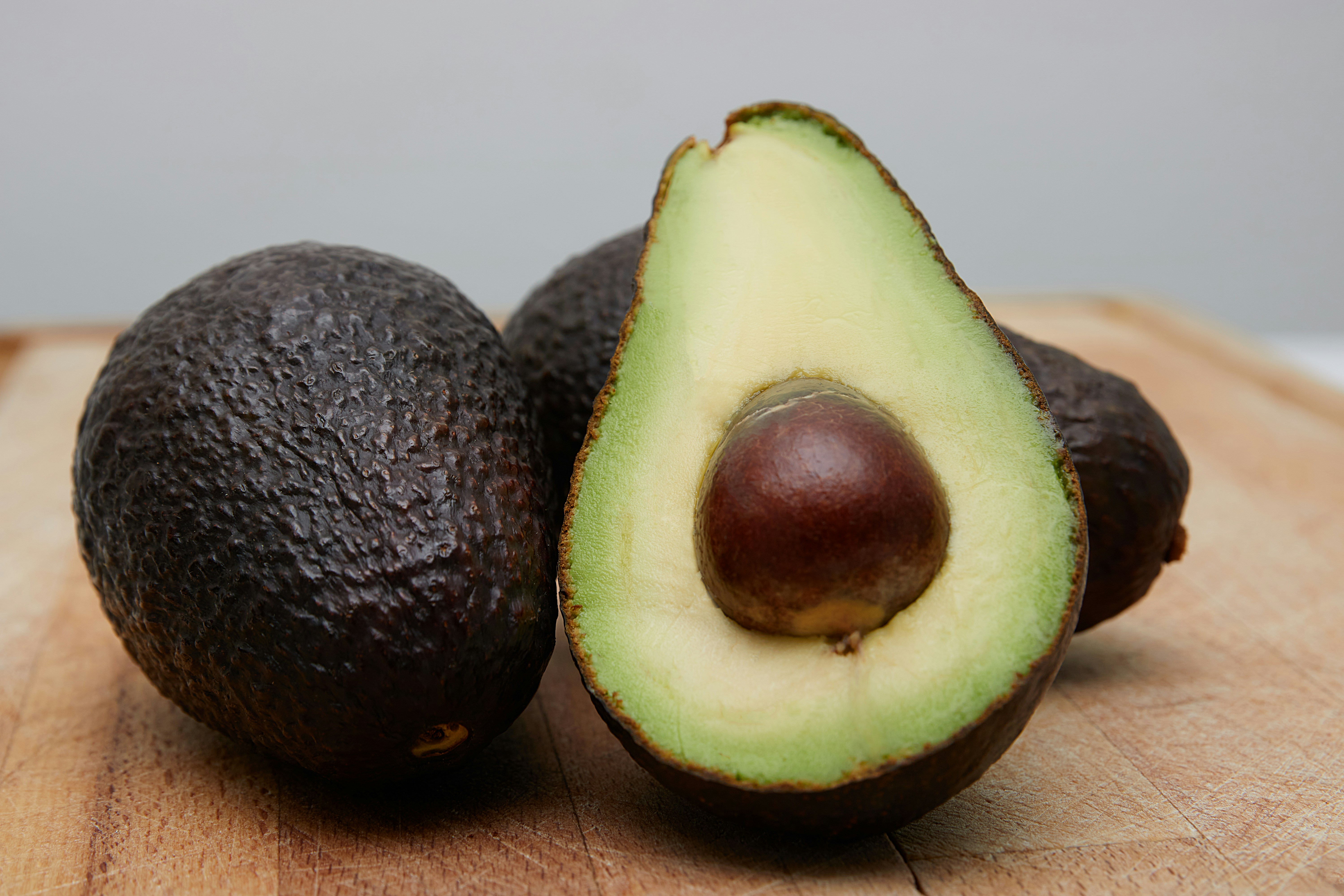
Introduction to Avocados and Weight Loss
Avocados have gained immense popularity in recent years, often hailed as a superfood due to their impressive nutritional profile. Rich in monounsaturated fats, fiber, and various vitamins, avocados provide numerous health benefits. Their creamy texture and distinct flavor make them a versatile ingredient in various culinary applications, from salads to smoothies.
When it comes to weight loss, the perception of avocados is a mixed bag. Some health enthusiasts claim that their high-fat content makes them unsuitable for weight loss diets, while others argue that the healthy fats in avocados can actually aid in weight management. The key lies in understanding how avocados can fit into a balanced diet, particularly in relation to caloric intake and nutrient density.
This article aims to delve into the relationship between avocados and weight loss, examining their nutritional composition and how they may support a healthy lifestyle. We will explore the common beliefs surrounding avocados, addressing the myths and truths associated with their consumption and its impact on weight. By analyzing the research and expert opinions on the subject, we aim to provide a comprehensive view of whether avocados are indeed beneficial or detrimental for those looking to lose weight.
As we navigate through the various aspects of avocados in relation to weight loss, it is essential to consider their role within the context of an overall diet. The subsequent sections will clarify the controversies and provide insight into making informed dietary choices involving this nutrient-packed fruit.
Nutritional Profile of Avocados
Avocados are renowned for their rich nutritional profile, making them a popular choice among health-conscious individuals. A typical serving of avocado, which is about one-third of a medium-sized fruit, contains approximately 80 calories. The primary source of these calories comes from healthy fats, specifically monounsaturated fats, which offer numerous health benefits. These fats have been shown to promote heart health, possibly reducing the risk of cardiovascular diseases.
In addition to their healthy fat content, avocados are an excellent source of dietary fiber. A serving typically contains around 3 to 4 grams of fiber, contributing to a feeling of fullness and aiding in digestive health. This high fiber content can be particularly beneficial for those looking to manage their weight, as it can help reduce overall calorie intake by promoting satiety.
Moreover, avocados are packed with essential vitamins and minerals. They are particularly high in potassium, which is vital for maintaining healthy blood pressure levels and supporting overall cellular function. Avocados also contain important vitamins such as vitamin K, vitamin E, and several B vitamins, including folate. These vitamins play crucial roles in energy metabolism, immune function, and the maintenance of skin and bone health.
The combination of healthy monounsaturated fats and dietary fiber not only makes avocados a nutrient-dense food but also contributes to efficient nutrient absorption in the body. While they are often labeled as high-calorie foods, their nutritional density and health benefits can make them an ideal addition to a balanced diet, particularly for those seeking weight loss or weight management.
The Role of Healthy Fats in Weight Loss
In the landscape of dietary choices for weight management, the presence of healthy fats is often overlooked. However, incorporating healthy fats, particularly those found in avocados, can play a pivotal role in aiding weight loss. Scientific evidence suggests that these fats can contribute to feelings of fullness, which may reduce overall calorie intake. When consumed, healthy fats provide a sensation of satiety that can help curb hunger pangs and prevent overeating.
Moreover, fats are vital for maintaining a balanced metabolic rate. While consuming caloric intake is necessary for energy, the quality of those calories is equally important. Healthy fats, including those from avocados, offer essential nutrients and energy without the risk of raising blood sugar levels rapidly. This leads to a more stable energy output, which can improve metabolic efficiency and support weight loss efforts.
Additionally, healthy fats can serve as beneficial substitutes for unhealthy food choices. By replacing saturated fats found in fried or processed foods with the monounsaturated fats present in avocados, one can enhance the overall nutritional quality of their diet. This substitution often leads to healthier eating patterns, further supporting weight-loss goals. Moreover, the creamy texture and rich flavor of avocados make them an appetizing addition to meals, which can encourage individuals to stick to their dietary plans.
In conclusion, healthy fats, especially from avocados, should not be demonized in the context of weight loss. Instead, they should be embraced as integral components of a balanced diet that not only assist in managing hunger but also contribute positively to overall health and well-being. Their role in enhancing dietary satisfaction and supporting metabolic function underscores the importance of integrating such fats into daily nutrition.
Fiber Content and Its Benefits
Avocados are renowned for their impressive fiber content, which is a crucial component of a healthy diet. Each medium-sized avocado contains about 9 to 10 grams of fiber, making it an excellent addition to meals aimed at promoting weight loss. Fiber plays several roles in the body, particularly in digestion, blood sugar regulation, and appetite control.
In terms of digestion, fiber is essential for maintaining a healthy gut. It aids in regular bowel movements and helps prevent constipation. A well-functioning digestive system is vital for nutrient absorption. By including avocados in your diet, you not only increase your fiber intake but also contribute to overall gut health. This becomes especially important for those seeking to manage their weight, as a healthy digestive tract can enhance metabolic processes.
Another significant benefit of the fiber found in avocados is its impact on blood sugar levels. Soluble fiber, in particular, can slow down the absorption of sugar into the bloodstream, leading to more stable blood sugar levels. This stabilization helps to reduce insulin spikes that are often associated with weight gain. By consuming avocados, individuals can help mitigate the risk of insulin resistance, making it easier to maintain or achieve a healthy weight.
Moreover, fiber is well-known for its role in appetite control. High-fiber foods tend to be more filling, which can help individuals eat less overall. When avocados are incorporated into meals or snacks, they can enhance satiety and reduce cravings, thereby supporting weight loss efforts. This natural appetite suppression makes avocados a smart choice for anyone looking to lose weight.
Given these benefits, including avocados in a balanced diet can significantly contribute to achieving weight loss goals, thanks to their rich fiber content, which promotes digestion, stabilizes blood sugar, and controls appetite.
Balancing Avocado Consumption in a Diet
Avocados are often lauded for their numerous health benefits, yet their high-caloric content can pose challenges for those seeking to lose weight. To maintain a balanced diet while benefiting from the nutritional value of avocados, it is essential to practice portion control. A typical serving size of avocado is about one-third to one-half of a medium-sized fruit, which contains approximately 80 to 120 calories. Integrating avocados in moderation helps prevent excessive calorie intake, which can hinder weight loss efforts.
To incorporate avocados effectively into your meals, consider using them as a substitute for higher-calorie ingredients. For instance, they can serve as a replacement for mayonnaise or butter in sandwiches, thereby providing healthy fats while reducing overall caloric content. Furthermore, adding avocado to salads or smoothies not only enhances flavor but also contributes beneficial nutrients such as fiber, vitamins, and minerals.
Another practical tip is to meal prep with avocados in mind. For those who enjoy their creamy texture, consider preparing guacamole in small batches to prevent overconsumption. By controlling portions, one can still enjoy the delightful taste and health benefits of avocados without the risk of caloric overload. Additionally, pairing avocados with other nutrient-dense foods—such as leafy greens, lean proteins, or whole grains—can create satisfying meals that promote weight management.
In summary, while avocados can be a nutritious addition to a weight-loss diet, moderation remains key. Being mindful of portion sizes and integrating them thoughtfully into meals can help individuals reap the benefits of avocados while staying on track with their weight loss goals.
Possible Drawbacks of Avocados in Weight Loss
Avocados are often lauded for their numerous health benefits, primarily due to their rich content of healthy fats, vitamins, and minerals. However, it is essential to consider the possible drawbacks of including avocados in a weight loss diet. One significant concern is their high calorie density. A medium-sized avocado can contain around 250-300 calories, which, when consumed in large quantities, can lead to an excessive caloric intake. For individuals striving to lose weight, this caloric value may hinder their progress if not properly accounted for in their overall daily consumption.
Another potential downside is the risk of allergic reactions. While avocado allergies are relatively rare, they do occur and can manifest in various symptoms, ranging from mild oral allergy syndrome to severe anaphylaxis. Individuals with a known latex allergy are particularly susceptible, as avocados share similar proteins. Consequently, it is vital for those with allergies or sensitivities to be cautious when incorporating avocados into their diet.
Additionally, there is the concern that regular consumption of high-fat foods like avocados may lead to dependence on such items, potentially reducing the diversity of one’s overall diet. A balanced diet is crucial for optimal health and weight loss, and an overreliance on any single food, even one as nutritious as an avocado, might inhibit the intake of a variety of essential nutrients. Therefore, it is advisable to enjoy avocados in moderation and ensure a diverse range of foods is consumed daily.
Expert Opinions and Research Findings
When examining the role of avocados in a weight loss regimen, various nutritionists and dieticians often present contrasting views, supported by scientific studies and observational research. Avocados are known for their rich nutrient profile, particularly healthy fats, fiber, vitamins, and minerals. These attributes can impact satiety, potentially contributing to reduced caloric intake over time.
Several studies indicate that incorporating avocados into a balanced diet may enhance weight loss efforts. Research published in the Nutrition Journal highlights that participants who included avocados in their meals reported higher satisfaction levels, which could lead to lower overall food consumption. Additionally, the monounsaturated fats found in avocados are beneficial for heart health, which may further encourage individuals to maintain healthier dietary patterns.
However, some dieticians caution against overconsumption, as avocados are calorie-dense. A typical avocado contains approximately 250 calories, which can add up quickly if not accounted for within an individual’s daily caloric expenditure. A review in the Journal of Obesity points out that while avocados can provide substantial health benefits, portion control is essential to prevent unintended weight gain.
Furthermore, research conducted by the University of California indicates that the fiber content in avocados can aid digestion, helping to regulate blood sugar levels and sustain energy. Such effects may be particularly helpful for those aiming to lose weight or maintain a healthy weight. As with any food, moderation is key.
In conclusion, while avocados can be a beneficial addition to a weight loss diet when consumed in moderation, it is imperative to balance their caloric contribution within the context of a well-rounded diet. Individuals aiming for weight loss should consider their overall dietary habits and lifestyle when incorporating avocados into their meals.
Practical Tips for Including Avocados in Your Diet
Incorporating avocados into your diet can be both simple and beneficial for your overall health, especially when considering weight loss. Here are some practical tips and serving suggestions to help you enjoy this nutritious fruit.
One of the easiest ways to include avocados is by adding them to salads. Sliced or diced avocados can provide a creamy texture and enhance the flavor of various leafy greens. Consider pairing them with tomatoes, cucumbers, and a light vinaigrette for a refreshing dish. Additionally, avocado can serve as a healthy fat component that helps you feel fuller, thereby assisting in weight management.
Another popular method is to use avocados in breakfast dishes. Spread mashed avocado on whole-grain toast and top it with poached eggs, radishes, or a sprinkle of chili flakes. This breakfast option not only provides nutrients but also keeps you energized and satiated for hours. Furthermore, avocados can be blended into smoothies, offering a rich, creamy consistency. Mixing them with spinach, bananas, and almond milk creates a nutrient-dense drink that supports weight loss.
For snack ideas, consider avocado and whole grain crackers or veggies. A simple guacamole made by mashing avocados and mixing with diced onions, lime juice, and cilantro can serve as a delicious dip. Pair it with carrots, bell peppers, or pita chips for a satisfying snack that offers heart-healthy fats.
Additionally, utilizing avocados in lunch wraps can add both flavor and nutrition. Spread avocado on a tortilla before filling it with your choice of protein (such as chicken or tofu) and assorted vegetables. This not only enhances the taste but also contributes healthy fats that make a balanced meal.
By following these suggestions, you can effortlessly include avocados in your diet, benefiting from their health properties while enjoying versatile, tasty meals.
Conclusion: Are Avocados Good or Bad for Weight Loss?
In evaluating the role of avocados in a weight loss diet, it is essential to consider various factors that influence their effectiveness. Avocados are nutrient-dense fruits, rich in healthy fats, particularly monounsaturated fats, which can contribute positively to feelings of satiety. This property may help control hunger pangs, potentially reducing overall caloric intake. Additionally, their high fiber content promotes digestive health and can further aid in maintaining a healthy weight.
However, despite their healthy attributes, it is crucial to recognize that avocados are also high in calories. A typical avocado contains approximately 250-300 calories, which, if consumed in excessive quantities, can lead to unwanted weight gain. Therefore, moderation is paramount. Integrating a reasonable portion of avocado into a balanced diet is likely to yield beneficial effects on weight management, while overindulgence can negate these effects.
Moreover, individual dietary needs and goals play a significant role in determining whether avocados are a suitable inclusion in one’s weight loss strategy. Each person’s response to calories and fat can vary greatly, often influenced by factors such as metabolic rate, level of physical activity, and overall health. Consequently, personalizing one’s dietary approach is essential to achieving optimal outcomes.
In conclusion, avocados can be both beneficial and detrimental to weight loss, depending on how they are incorporated into an individual’s meal plan. By understanding their caloric content and nutritional benefits, individuals can make informed decisions that align with their specific health goals. Ultimately, moderation and personalization are crucial for effectively leveraging avocados in the pursuit of weight loss.