
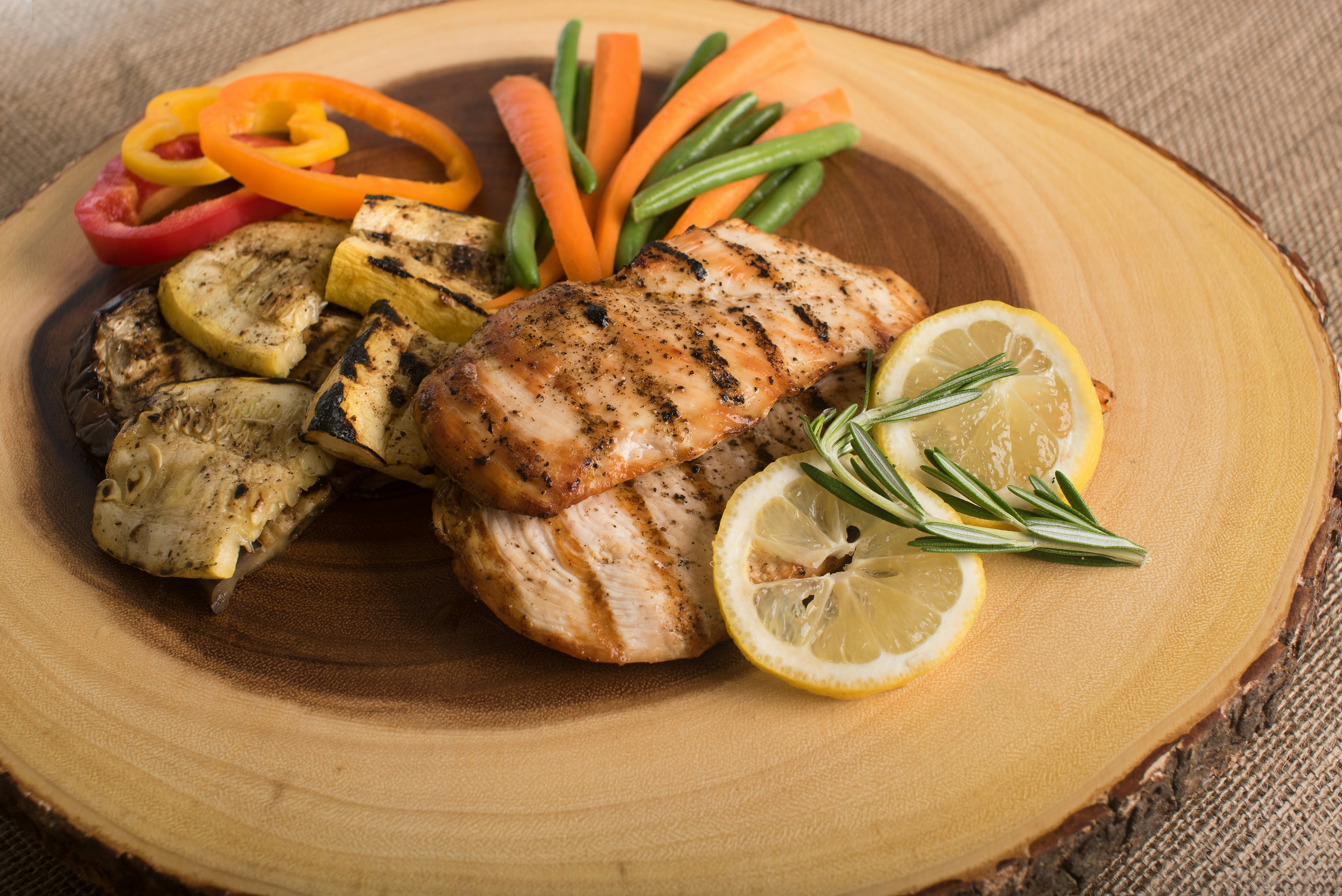
Introduction to Grilling and Roasting
Grilling and roasting are two culinary techniques that have become staples in kitchens and backyards around the globe, celebrated for their ability to enhance the natural flavors of food. Grilling typically involves cooking food over direct heat, usually on a grill, allowing for the development of unique charred flavors and appealing textures. In contrast, roasting involves cooking food in an oven or over an open flame, often resulting in a crispy outer layer while maintaining a juicy interior.
The popularity of these methods can be attributed to their versatility. Grilling, for instance, is not limited to meats alone; vegetables, fruits, and even cheeses can be transformed into delicious dishes with a quick stint over hot coals. Similarly, roasting is a method beloved for its simplicity, accommodating a wide range of ingredients from hearty root vegetables to tender cuts of meat. This versatility makes both grilling and roasting appealing options for cooks of all skill levels.
Culturally, these cooking methods hold significant importance across various cuisines. For many communities, grilling is synonymous with social gatherings and outdoor cooking, offering a communal experience that brings people together. The smoky aroma of grilled chicken serves as an invitation for friends and family to enjoy a meal, while roasted vegetables often accompany festive occasions as side dishes that highlight seasonal produce. Furthermore, the health benefits associated with these cooking techniques, such as retaining nutrients and minimizing the need for excess fats, contribute to their widespread acceptance.
In essence, grilling and roasting have transcended mere culinary techniques; they represent a fundamental aspect of social interaction and culinary creativity within various cultures. Whether preparing a simple weeknight meal or an elaborate feast, the rich flavors produced by these methods continue to captivate the taste buds of food enthusiasts everywhere.
The Appeal of Grilled Chicken
Grilled chicken has long been a preferred choice for many due to its enticing flavor profile, which seamlessly merges a smoky essence with the succulent juiciness of the meat. When chicken is grilled, the heat produces a beautiful char on the exterior, enhancing its visual appeal while also contributing to a depth of flavor that is unique to this cooking method. This charred texture often provides a satisfying crunch that contrasts wonderfully with the tender interior, creating a delightful eating experience.
The smoky flavor that grilled chicken possesses is often attributed to the Maillard reaction, a chemical process occurring when proteins and sugars in the meat react to high heat. Additionally, the use of marinades and rubs can elevate the taste further, providing myriad flavor enhancements. Marinades may incorporate ingredients such as olive oil, citrus juice, or yogurt, along with a variety of spices and herbs, all of which work in conjunction to impart moisture, tenderness, and vibrancy to the chicken. The versatility of marinades is particularly useful, enabling a range of flavor profiles from zesty and tangy to sweet and spicy, depending on personal preferences.
Moreover, the cooking method itself plays a significant role in the overall taste. Grilling over open flames or hot coals not only infuses the chicken with a rich smokiness but also allows for the fat to render out, keeping the meat juicy and flavorful. The incorporation of wood chips or different types of fuel can further amplify this flavor, drawing on regional grilling traditions that celebrate the art of fire-cooked cuisine. The combined effects of the grilling process, selective seasoning, and marinating techniques contribute to grilled chicken’s status as a delicious and sought-after dish that continually captivates the palate.
The Essence of Roasted Vegetables
Roasted vegetables epitomize the artistry of cooking, showcasing an exquisite interplay of flavors and textures that arises from the caramelization process. When vegetables are exposed to high heat, their natural sugars transform, creating a rich, savory sweetness that enhances their appeal. This transformation is particularly pronounced in root vegetables such as carrots, potatoes, and parsnips, which develop a deep, inviting caramel hue that is both visually and gastronomically enticing.
A variety of vegetables lend themselves well to roasting, each bringing its own unique flavor profile to the table. For instance, bell peppers and zucchini add a subtle tenderness and vibrancy, while Brussels sprouts provide a robust earthiness that can delight any palate. Onions, when roasted, take on a sweet and savory quality that further complements other ingredients. Furthermore, hardy vegetables like sweet potatoes and butternut squash become luxuriously creamy, intensifying their natural flavors and offering a comforting component to any dish.
To enhance the natural taste of roasted vegetables, thoughtful seasoning is essential. Common pairings include herbs such as rosemary, thyme, and oregano, which add warmth and depth. A sprinkle of salt elevates the overall flavor, while fresh ground pepper introduces a gentle kick. Additionally, a drizzle of olive oil not only facilitates the roasting process but also contributes an extra layer of richness and aroma. For a touch of brightness, a squeeze of lemon or a dash of balsamic vinegar can be used to finish the dish, creating a delightful contrast to the earthy flavors of the roasted ingredients.
Incorporating roasted vegetables into a meal not only enhances the overall taste but also enriches the nutritional profile, providing essential vitamins and minerals that support a balanced diet. Their versatility allows them to shine as a side dish, or even as the main attraction in a vegetarian platter, highlighting the essential role roasted vegetables play in modern culinary practices.
Flavor Pairings: Complementing Grilled Chicken and Roasted Vegetables
Grilled chicken and roasted vegetables offer a versatile base that can easily be enhanced through strategic flavor pairings. To create a harmonious dish, consider incorporating herbs and spices that complement the natural flavors of the chicken and vegetables. Fresh herbs such as rosemary, thyme, and parsley provide aromatic qualities that lift the profiles of both grilled chicken and roasted vegetables. Additionally, spices like paprika or cumin can introduce a subtle warmth and complexity.
For a zesty touch, citrus elements can also be beneficial. Lemon or lime juice not only brighten the flavors of grilled chicken but also balance the earthiness of roasted vegetables. Marinating the chicken in a blend of olive oil, garlic, and citrus can infuse it with a burst of flavor and moisture during the grilling process.
In terms of side dishes, grains such as quinoa, bulgur, or couscous can serve as delightful accompaniments. They’re not only nutritious but also act as a neutral base that absorbs the flavors from both the chicken and vegetables. To elevate the meal further, consider preparing a flavorful dressing or sauce. For instance, a dill yogurt sauce can add a creamy contrast, while a balsamic glaze can introduce a rich sweetness.
Salsas, whether fresh or grilled, can also enhance the overall dining experience. A pineapple salsa or a tomato and avocado mixture adds both freshness and spice, complementing the smoky undertones of the grilled chicken. By integrating these various elements, one can craft a paradigm of flavors that enhance the enjoyment of grilled chicken and roasted vegetables.
Health Benefits of Grilled Chicken and Roasted Vegetables
Grilled chicken stands out as an exemplary lean protein source, making it a staple for individuals pursuing a balanced diet. It contains minimal saturated fat, which can aid in maintaining healthy cholesterol levels and supporting heart health. Additionally, grilled chicken is rich in essential amino acids, making it an excellent choice for muscle growth and repair. These amino acids are crucial for overall health, promoting stronger immunity and enhancing metabolic functions. Moreover, the presence of B vitamins in chicken, particularly niacin and B6, supports energy metabolism and helps the body utilize the nutrients consumed.
Accompanying grilled chicken with roasted vegetables amplifies the nutritional value of the meal significantly. Roasted vegetables are not only vibrant and flavorful but also packed with vitamins and minerals. For instance, vegetables such as bell peppers, carrots, and zucchini are rich in vitamins A and C, contributing to improved immunity and skin health. Cruciferous vegetables like broccoli and cauliflower are also noted for their high content of fiber, which aids in digestion and promotes a sense of fullness, making it easier to maintain a healthy weight.
Including roasted vegetables in meals provides a diverse range of antioxidants that combat oxidative stress in the body, thus reducing the risk of chronic diseases. The dietary fiber present in these vegetables contributes to heart health and stabilizes blood sugar levels, making them particularly beneficial for individuals managing diabetes.
Incorporating grilled chicken and roasted vegetables into your dietary routine is a practical approach to achieving a balanced diet. They are versatile and can be enjoyed in various cuisines, making healthy eating both enjoyable and sustainable. By integrating these nutrient-rich options, individuals can enhance their overall health while satisfying their taste buds.
Culinary Tips for Perfect Grilling and Roasting
Grilling and roasting are two fundamental cooking techniques that enhance the flavors of meats and vegetables, particularly chicken and assorted veggies. Mastering these methods requires attention to temperature control, timing, and the art of achieving that perfect char or caramelization.
One of the primary aspects to consider when grilling chicken is the temperature. Preheating your grill to a medium-high temperature (approximately 375°F to 450°F) allows for searing the exterior while reducing the risk of undercooking the inside. Utilizing a meat thermometer can be beneficial in ensuring that chicken reaches an internal temperature of 165°F for optimal safety and juiciness. For roasted vegetables, aim for a higher temperature of around 400°F to 425°F, which is ideal for caramelization.
Timing is crucial in balancing cooking results. For chicken, larger cuts such as breasts or thighs may take longer to cook, generally 8-10 minutes per side, depending on thickness. Turning the chicken only once during grilling helps achieve a nice char without compromising the juices. For vegetables, cut them into uniform sizes to promote even cooking; smaller pieces will roast faster, usually in about 20-30 minutes. Keep an eye on the vegetables during the cooking process to avoid over-charring.
Achieving that coveted char on chicken or caramelization on vegetables involves a few simple techniques. Consider marinating the chicken prior to grilling for enhanced flavor and moisture. When roasting vegetables, toss them in olive oil, salt, and freshly ground pepper to create a flavorful crust. To aid in the caramelization process, avoid overcrowding the grill or roasting pan, as this can steer away from achieving a perfect sear, resulting in steaming rather than roasting. By following these guidelines, you can elevate your grilling and roasting skills, resulting in dishes that are both flavorful and visually appealing.
Serving Suggestions and Meal Ideas
Grilled chicken and roasted vegetables present a versatile base for crafting delightful meals that cater to various occasions, from everyday dinners to festive gatherings. One creative approach to serving grilled chicken is to create a gourmet salad. Combine slices of marinated grilled chicken with mixed greens, cherry tomatoes, cucumber, and roasted bell peppers. Drizzle a lemon vinaigrette over the top for a refreshing dish that can be enjoyed during warm summer evenings.
For a more substantial meal, consider preparing a grilled chicken and vegetable platter. This dish can be composed of skewers featuring chunks of grilled chicken breast interspersed with seasonal roasted vegetables such as zucchini, asparagus, and red onion. This colorful presentation not only pleases the eye but also offers a variety of flavors. Pair this with a side of brown rice or quinoa and a yogurt-based sauce for a wholesome dinner option.
When hosting an elegant gathering, serving grilled chicken alongside roasted root vegetables in a casserole can create an impressive centerpiece. Choose a blend of carrots, parsnips, and sweet potatoes, drizzled with olive oil and herbs before roasting. Once everything is cooked, layer grilled chicken pieces over the roasted veggies and sprinkle with fresh herbs such as parsley or rosemary to enhance the flavors. This dish can be elegantly plated, making it suitable for formal dining occasions.
In addition, tacos made with grilled chicken and roasted vegetables provide a fun, interactive meal experience. Use small tortillas and fill them with savory grilled chicken slices, roasted corn, and diced avocado. Serve with salsa and lime wedges for a flavorful casual meal that encourages sharing. Overall, whether opting for a simple salad or a fancy casserole, the integration of grilled chicken and roasted vegetables makes it easy to create satisfying meals for any occasion.
Grilled Chicken with Citrus Marinade
For a flavorful grilled chicken dish, consider using a citrus marinade. Begin with
2 pounds of boneless, skinless chicken breasts. Prepare a marinade by combining the juice of two oranges and one lemon, along with ¼ cup of olive oil, 2 tablespoons of honey, salt, and pepper. You may also incorporate minced garlic and fresh herbs such as thyme or rosemary for added flavor.
Place the chicken into a resealable plastic bag and pour the marinade over it. Make sure the chicken is well-coated, and seal the bag. Refrigerate for at least 2 hours, but overnight is preferable for deeper flavor infusion.
Preheat your grill to medium-high heat. Once ready, remove the chicken from the marinade and discard the leftover marinade. Grill the chicken for 6-8 minutes on each side, or until the internal temperature reaches 165°F. For those who prefer crispy skin, consider searing the chicken over direct heat for an additional 1-2 minutes on each side before moving it to indirect heat to finish cooking. Let the chicken rest for 5 minutes before slicing to allow the juices to redistribute.
Roasted Vegetables Medley
To accompany your grilled chicken, a roasted vegetables medley can provide a vibrant and seasonal side dish. Gather 2 cups of chopped seasonal vegetables such as bell peppers, zucchini, and red onions. Preheat your oven to 425°F. In a large bowl, toss the vegetables with 2 tablespoons of olive oil, 1 teaspoon of dried oregano, salt, and pepper to taste.
Spread the seasoned vegetables onto a baking sheet in a single layer to promote even roasting. Roast in the preheated oven for about 25-30 minutes, stirring halfway through until the vegetables are tender and slightly caramelized. For an added layer of flavor, consider squeezing fresh lemon juice over the vegetables just before serving. This dish pairs wonderfully with the citrusy notes of the grilled chicken and elevates the entire meal.
Conclusion: The Lasting Impact of Grilled Chicken and Roasted Vegetables
Grilled chicken and roasted vegetables have solidified their positions as staple dishes in various culinary traditions around the globe. The appeal of these dishes lies not only in their delectable flavors but also in their versatility and health benefits. Grilled chicken, typically seasoned to enhance its natural taste, offers a lean protein option that can be paired with a wide array of herbs and spices. This adaptability makes it a popular choice among health-conscious individuals as well as food enthusiasts alike.
When combined with roasted vegetables, the flavors of grilled chicken are elevated further. Roasting vegetables brings out their natural sweetness and enriches their textures, creating a perfect balance when enjoyed alongside the savory notes of grilled chicken. Vegetables such as bell peppers, zucchini, and carrots can be seasoned with olive oil, salt, and pepper to enhance their taste while retaining essential nutrients. These elements converge to offer not just a meal but a culinary experience that appeals to all senses.
The enduring popularity of grilled chicken and roasted vegetables encourages home cooks and professional chefs to experiment with various cooking methods, marinades, and vegetable combinations. This exploration can lead to unique flavor profiles and creative presentations that delight the palate and inspire gatherings around the dinner table. With countless recipes available, individuals are encouraged to personalize these dishes to reflect their tastes and preferences.
In conclusion, grilled chicken and roasted vegetables embody a harmonious blend of flavor and nutrition that caters to diverse dietary lifestyles. The next time you plan your meals, consider these timeless dishes that promise satisfaction and encourage culinary creativity. By incorporating such wholesome ingredients into your cooking routine, you can foster not only a healthy diet but also a deeper appreciation for the flavors that come from fresh, grilled, and roasted foods.